
Signs You Need Water Line Leak Detection in Albany OR
Water line leaks are often invisible, running silently underground or beneath concrete slabs for weeks or months. Knowing the warning signs can help you catch a leak early, before it causes structural damage or skyrockets your water bill. Here are the most common indicators that you need professional leak detection:
- Unexplained spike in your water bill: if your usage habits have not changed but your bill keeps climbing, a hidden leak is the likely culprit
- Sound of running water when all faucets and fixtures are turned off
- Warm spots on your floor: a telltale sign of a hot water line leak beneath a concrete slab
- Water pooling in your yard or unusually green, soggy patches of grass
- Damp or discolored walls and ceilings with no obvious source
- Sudden drop in water pressure throughout the house
- Cracks in your foundation or walls that appear without explanation
- Mold or mildew growth in areas that should be dry
If you notice any of these signs, do not wait. The longer a leak goes undetected, the more damage it can cause to your home and property. A professional leak detection service can locate the source quickly and prevent costly repairs.
Water Line Leak Detection Methods Used in Albany, Oregon
Modern leak detection has evolved far beyond guesswork and trial-and-error digging. Today's Albany plumbing professionals use specialized equipment to locate leaks with pinpoint accuracy. Here are the primary methods we use:
Acoustic Listening Equipment
Highly sensitive electronic ground microphones amplify the sound of pressurized water escaping from pipes. Even tiny leaks produce a distinct sonic frequency that trained technicians can isolate and trace to the exact source.
Thermal Imaging Cameras
Infrared thermal imaging detects temperature differences caused by water leaking behind walls, under floors, or beneath slabs. Hot water line leaks show up as warm spots, while cold water leaks create cool zones, making hidden leaks visible without demolition.
Video Pipe Inspection
A waterproof camera is fed directly into the water line, providing a real-time visual of the pipe interior. This method confirms the exact location and severity of cracks, breaks, root intrusion, and joint failures.
Pressure Decay Testing
The water system is pressurized and monitored for pressure loss. A drop in pressure confirms the presence of a leak, and the rate of decay helps technicians narrow down the location before using acoustic or thermal tools to pinpoint it.
Soil Probe Detection
For suspected yard leaks, soil probes are inserted into the ground along the water line path. These probes listen for the sound of pressurized water escaping into the soil, allowing technicians to locate underground leaks without excavating the entire line.
Water Meter Testing
A simple but effective first step: turn off all water-using appliances and fixtures, then check if the water meter is still moving. A moving meter with everything off confirms water is being lost somewhere in the system.
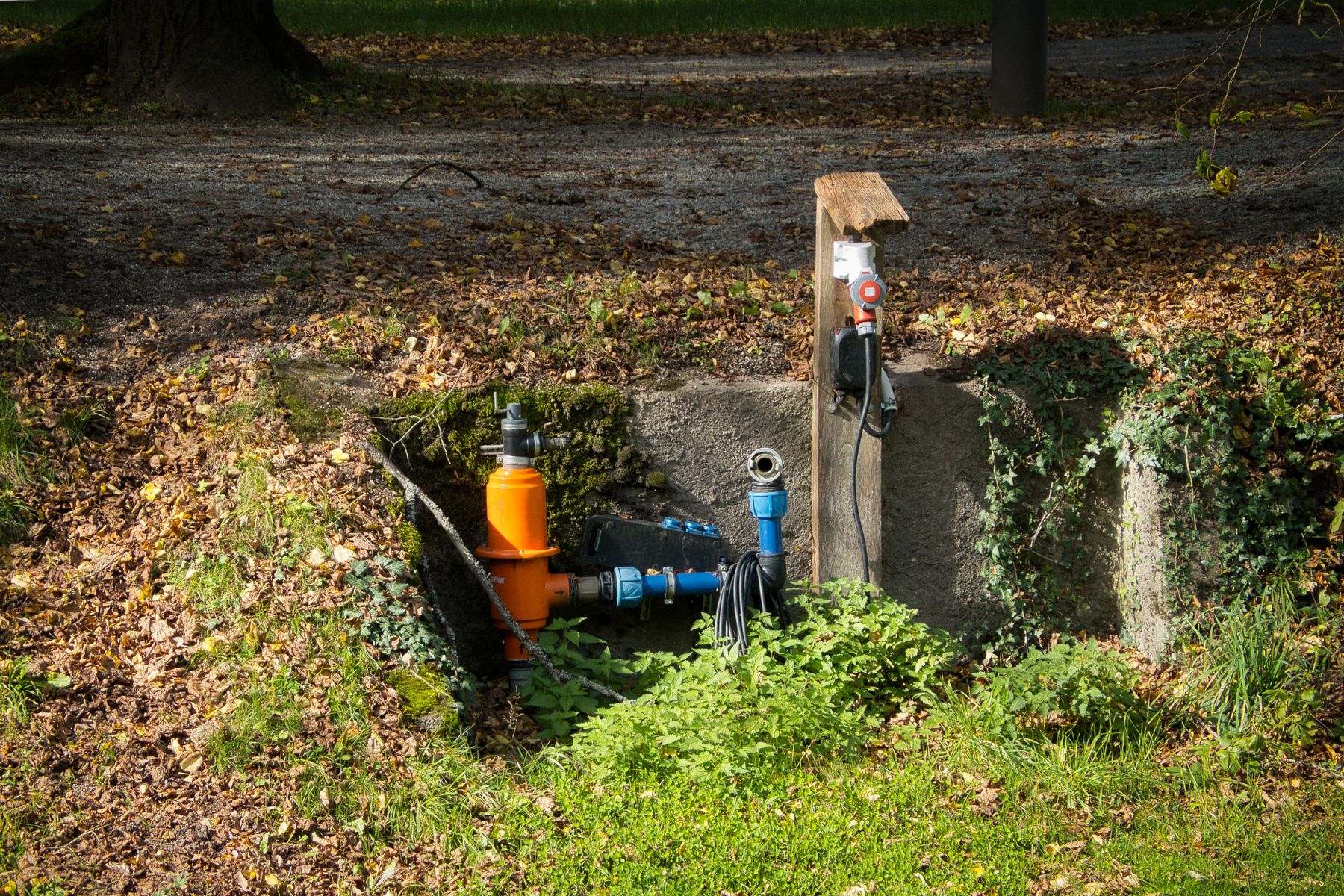
Water Line Leak Detection Albany Oregon Prices
The cost of professional leak detection in Albany, Oregon depends on the complexity of the leak, the technology required, and the location of the suspected leak. Here is what you can typically expect:
| Detection Service Type | Estimated Cost Range |
|---|---|
| Basic water meter test and visual inspection | $75 to $150 |
| Acoustic leak detection (standard) | $150 to $350 |
| Slab leak detection (thermal + acoustic) | $200 to $500 |
| Underground water line leak detection | $250 to $600 |
| Video pipe inspection | $100 to $300 |
| Comprehensive multi-method detection | $300 to $700 |
Many leak detection companies in Albany offer free or discounted detection when you book the repair through them. At Albany Water Line Repair Pros, we provide transparent, upfront pricing and will explain all costs before beginning any work. Once the leak is found, the same team handles the water line repair in Albany.
How to Check for a Water Line Leak Yourself in Albany, Oregon
Before calling a professional, you can perform a simple water meter test at home. The City of Albany recommends this straightforward method for checking whether you have a leak:
- Turn off all water: shut off every indoor fixture and outside irrigation system. Make sure no one uses water during the test.
- Locate your water meter: most meters are in a ground-level box near the street or property line.
- Read the meter: note the digits and the position of the red dial arm (or the digital readout on newer meters).
- Wait 10 minutes: do not use any water during this time.
- Read the meter again: if the reading has changed, water is being lost due to a leak somewhere in your system.
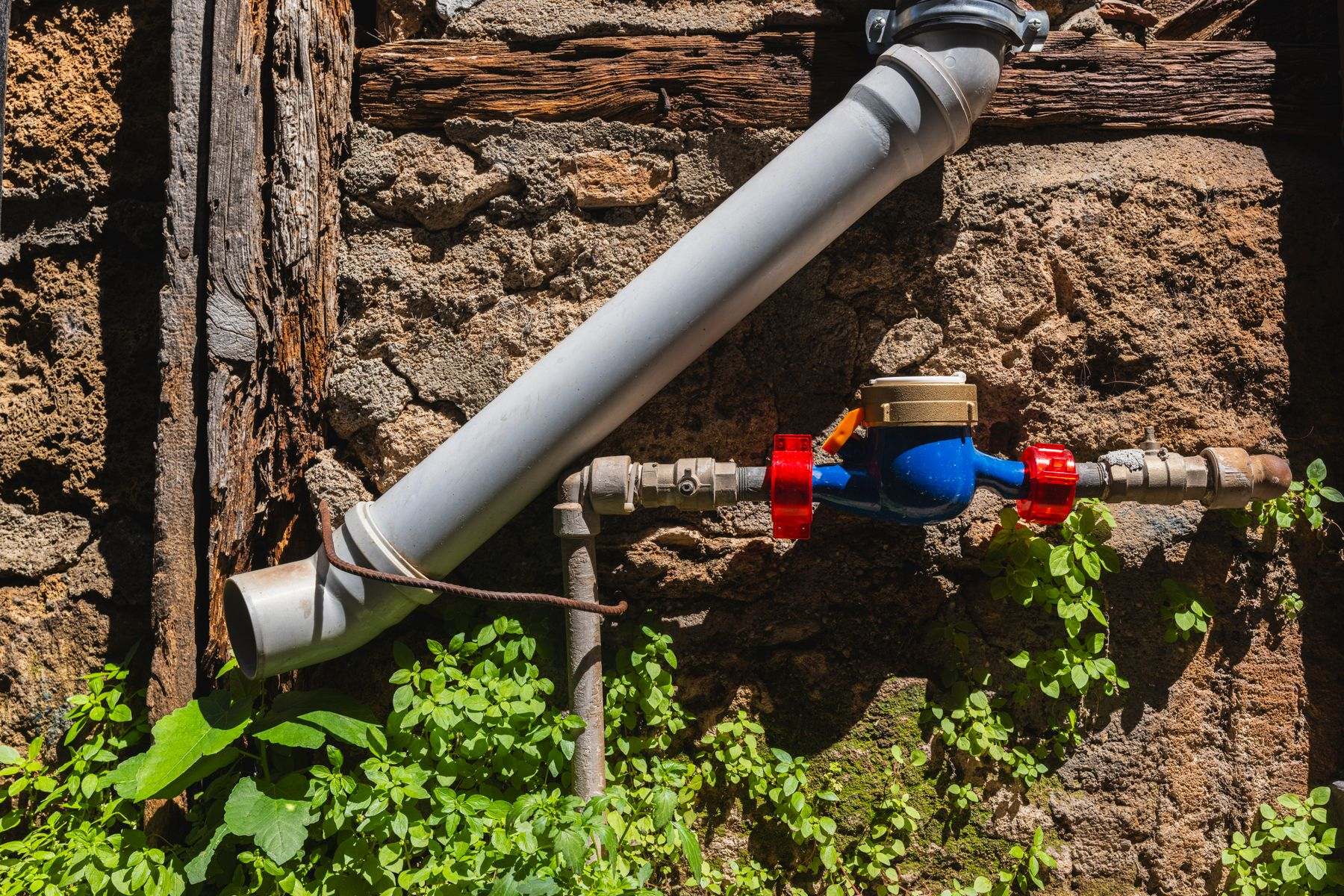
If the meter reading changed, the next step is to walk along your water line route looking for wet spots, soggy ground, or unusual vegetation growth. You can also check under your home in the crawl space for moisture. If you cannot locate the leak yourself, it is time to call a professional leak detection service.
What Causes Water Line Leaks in Albany, Oregon?
Understanding the common causes of water line leaks in the Albany area can help you prevent them. The Mid-Willamette Valley's unique conditions contribute to several leak triggers:
- Tree root intrusion: Albany's lush vegetation means roots naturally seek water from underground pipes, eventually cracking or crushing them
- Ground shifting: seasonal wet and dry cycles cause soil expansion and contraction, stressing buried water lines
- Pipe corrosion: older galvanized steel and iron pipes common in pre-1980s Albany homes corrode from the inside out
- Freezing temperatures: occasional winter cold snaps can cause exposed or shallow pipes to freeze and burst
- Excessive water pressure: pressure above 80 psi stresses pipe joints and connections, leading to premature failure
- Faulty installation: improperly installed pipes or fittings can fail years after the original work was done
- Clogged pipes: persistent blockages increase pressure within the line, stressing weak points
When a line has failed from age or poor workmanship, new water line installation replaces it from the meter to the house.
Slab Leak Detection in Albany, Oregon
Slab leaks are among the most damaging and difficult-to-locate water line problems. These leaks occur when water lines installed beneath a home's concrete foundation begin to leak. In Albany, slab leaks are particularly common in older homes where pipes were run under or through the concrete slab during construction.
Slab leak detection requires specialized equipment and expertise. Our technicians use a combination of thermal imaging to detect temperature anomalies in the floor, acoustic listening devices to hear water escaping beneath the slab, and pressure testing to confirm the leak's presence. Once located, repair options include spot excavation through the slab, pipe rerouting above ground, or trenchless lining, depending on the condition of the pipe and the layout of your home.
Early detection of slab leaks is critical. Left unchecked, water beneath a foundation can erode the soil supporting the slab, leading to structural settling, foundation cracks, and costly repairs that far exceed the cost of detection. When the leak is under concrete, slab leak repair is the next step.
Why Choose Professional Leak Detection Over DIY Methods
While the water meter test is a useful first step, professional leak detection offers several advantages that DIY methods cannot match:
- Precision locating: professional equipment pinpoints the exact leak location within inches, avoiding unnecessary excavation
- Non-invasive technology: acoustic, thermal, and video tools find leaks without breaking walls, floors, or concrete
- Time savings: what could take days of trial-and-error digging is located in hours
- Cost savings: knowing exactly where to dig means smaller repair areas and lower restoration costs
- Documentation: professional reports and video records support insurance claims and property transactions
- Expert diagnosis: trained technicians can assess the overall condition of your water line and recommend preventive measures
Frequently Asked Questions About Water Line Leak Detection
How long does leak detection take?
Most water line leak detection appointments in Albany, OR take 1 to 2 hours. Complex cases involving slab leaks or deep underground lines may take longer, especially if multiple detection methods are needed.
Is leak detection covered by homeowners insurance?
Some policies cover leak detection and repair if the leak is sudden and accidental. Gradual leaks from aging pipes may not be covered. Check with your insurance provider, and ask your plumber for a detailed report to support your claim.
Can you detect leaks in underground sprinkler systems?
Yes. Acoustic and pressure testing methods work for irrigation and sprinkler lines as well as main water lines. If you notice soggy patches in your lawn or unexplained water usage, a professional can determine whether the leak is in your irrigation system or your main water line.
What should I do if I find a leak?
First, turn off your main water shutoff valve to stop the flow. Then call a licensed plumber immediately. Document any visible damage with photos for insurance purposes. Do not attempt to excavate or repair the line yourself; underground water lines require professional tools and permits.
Contact Albany Water Line Repair Pros for Leak Detection
Whether you suspect a slab leak, an underground water line leak, or a hidden leak behind your walls, Albany Water Line Repair Pros has the technology and expertise to find it fast. We proudly serve Albany, Corvallis, Lebanon, Tangent, Jefferson, and all surrounding communities in the Mid-Willamette Valley. Our non-invasive detection methods save you time, money, and unnecessary property damage.
Do not wait for a small leak to become a major problem. Contact us today for professional water line leak detection in Albany, Oregon, where precision meets peace of mind.
Outside Albany, our local pages cover water line repair Lebanon OR, water line repair Tangent OR and water line repair Millersburg OR.