Is It Really a Slab Leak?
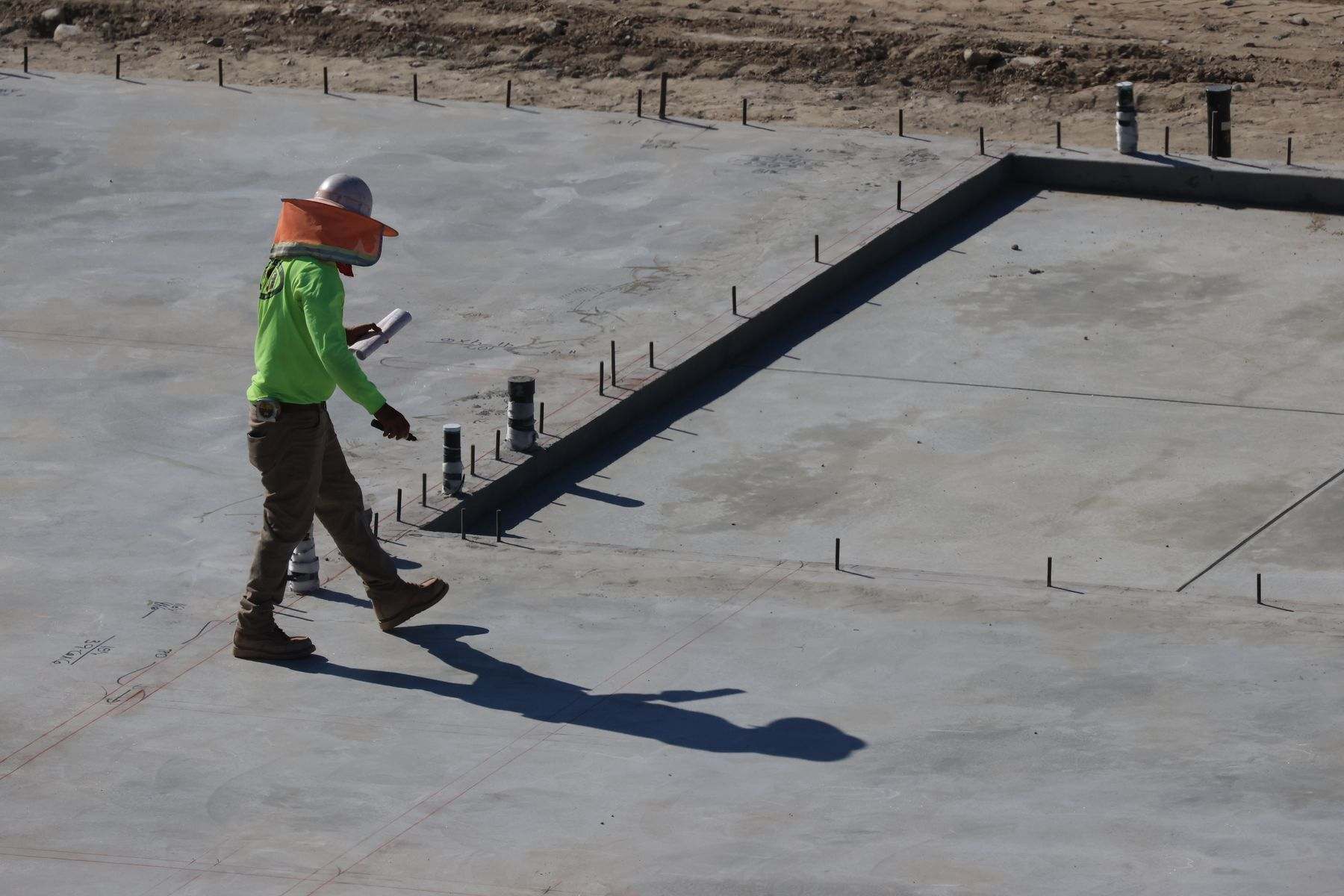
Many Willamette Valley homes are built over a crawl space rather than on a slab, so the first job is confirming where the pipe actually runs. Slab leaks usually involve a slab on grade house, a garage or converted garage, a basement floor, or an addition poured on concrete.
These are the signs that point to a leak under concrete:
- Warm spots on the floor, from a leaking hot water line
- The sound of running water with every fixture off
- A water meter that keeps moving when nothing is running
- Damp, stained or lifting flooring, carpet or baseboards
- New cracks in the floor or walls with no clear cause
- A water bill that climbs while your usage stays the same
The leak has to be located before anything is cut. Our water leak detection service uses acoustic listening, thermal imaging and pressure testing to find the leak under the slab, so the repair opening can stay small.
Slab Leak Repair Options
Spot Repair Through the Slab
A small opening is cut in the floor over the located leak, the damaged section of pipe is replaced and tested, and the concrete is patched. Best when the rest of the pipe is sound and there is a single leak.
Rerouting the Line
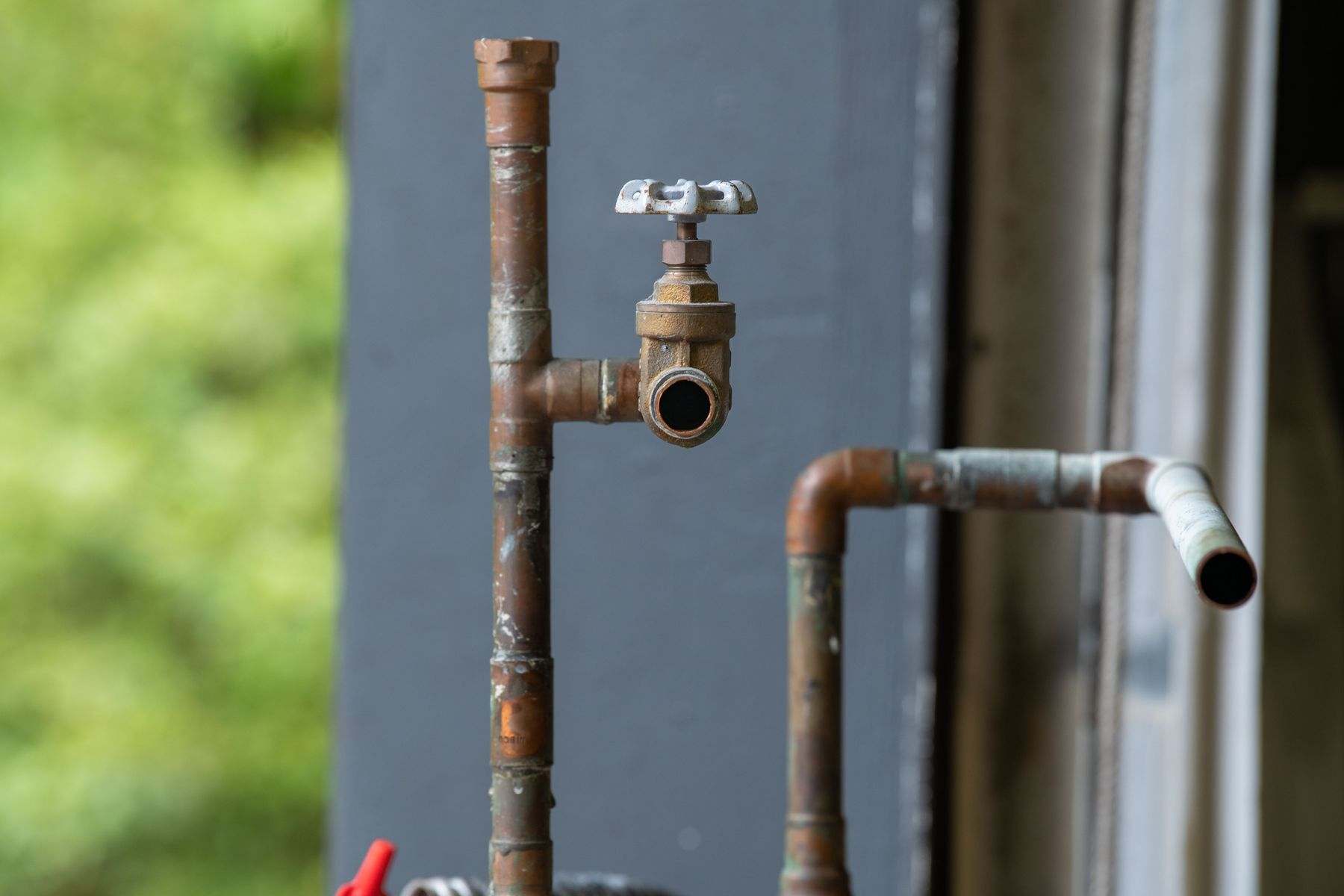
A new line is run through the walls, attic or crawl space, and the pipe under the slab is capped off and abandoned. Often the better choice when the pipe under the slab has leaked more than once or is corroded along its length.
Replacing the Service Line
When the leak is in the main line where it runs under the slab to enter the house, the lasting fix can be water line replacement from the meter to a new entry point.
Pipe Lining
An epoxy lining can seal some pipes from the inside. Whether it suits your home depends on the pipe material, its size and its condition, and we will tell you plainly when it is not a good fit.
How the Right Repair Is Chosen
The choice between repairing, rerouting and replacing comes down to a handful of things:
- The pipe material and its age
- Whether this is the first leak or one of several
- Where the leak sits: under cabinets, tile, hardwood or an open garage floor
- Whether it is on the hot or cold side
- How easily a new line can be run through the walls, attic or crawl space
- What it will cost to restore the flooring over the leak
We walk you through the pros and cons of each option for your house before any work starts. When a reroute or a new service line makes more sense, the job is planned like a small water line installation.
What Happens During a Spot Repair
-
Confirm the location
The leak is located and marked on the floor so the opening goes in the right place the first time.
-
Shut off and protect
Water is shut off, furniture is moved and the surrounding area is covered to contain dust.
-
Open the slab
A small section of concrete is cut and removed, and the soil is dug out to expose the pipe.
-
Repair and pressure test
The damaged section is cut out and replaced, then the line is pressure tested before anything is covered.
-
Backfill and patch
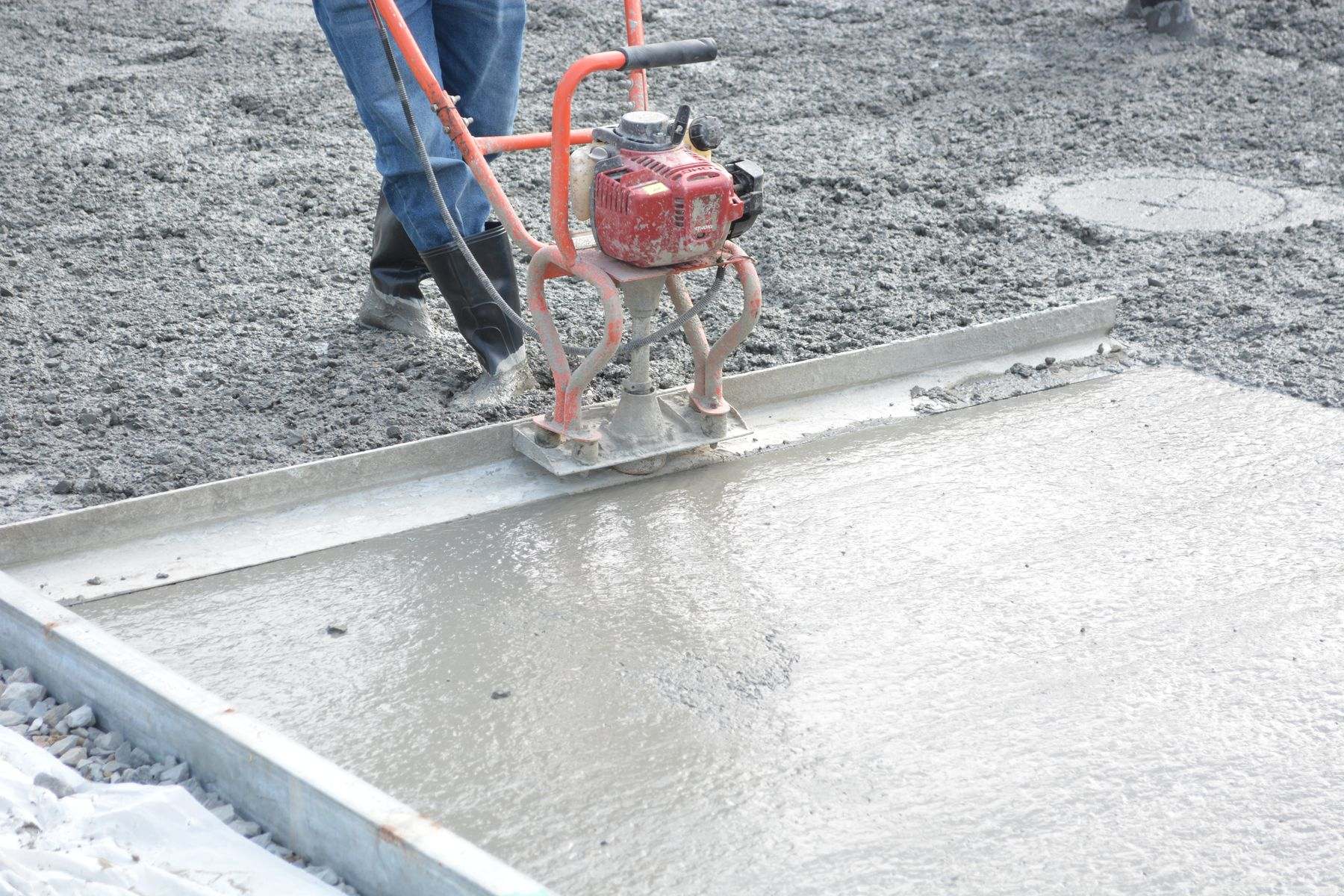
The hole is backfilled and compacted and the slab is patched with new concrete, ready for the floor covering to be put back.
What Slab Leak Repair Costs Depend On
The price is set once the leak has been located and the options are clear. The main factors are:
- Spot repair, reroute or replacement
- How deep the pipe sits below the slab
- The floor covering that has to come up
- Pipe material and the number of leaks
- How long a reroute has to be
- Concrete patching and restoration
If you have homeowners insurance, check what it covers before the floor is opened, and keep the leak detection report. It records where the leak was and why the repair was needed.
Why Slab Leaks Should Not Wait
Water escaping under a slab has nowhere to go. Over time it can wash out the soil the slab rests on, soak into flooring and walls, raise indoor humidity, and keep your water heater running if it is a hot water line. A small leak caught early usually means a smaller opening and less restoration.
We repair slab leaks across Albany and nearby towns. For problems with the buried line outside the house, see water line repair Millersburg OR and water line repair Lebanon OR.
Suspect a Leak Under Your Floor?
Call Albany Water Line Repair Pros to have the leak located and the repair options explained before any concrete is cut.
Slab Leak Repair FAQs
How do I know if I have a slab leak?
Common signs are warm spots on the floor, the sound of running water with every fixture off, a water meter that keeps moving when nothing is running, damp or lifting flooring, and a water bill that rises for no reason. A meter test confirms water is being lost; leak detection confirms where.
Can a slab leak be repaired without breaking the floor?
Often, yes. Rerouting the line through the walls, attic or crawl space abandons the pipe under the slab instead of digging it up, and some pipes can be lined from the inside. When a spot repair is the right call, the opening is kept as small as the located leak allows.
How long does slab leak repair take?
A single spot repair is often completed in a day, with the concrete patch then left to cure. A reroute takes longer, depending on how many fixtures it feeds and the route the new line has to take.
Does homeowners insurance cover slab leak repair?
Coverage varies by policy. Some policies help with the cost of opening and restoring the floor after a sudden leak but not with the pipe itself, and gradual leaks may not be covered at all. Check with your insurer before work starts and keep the leak detection report.